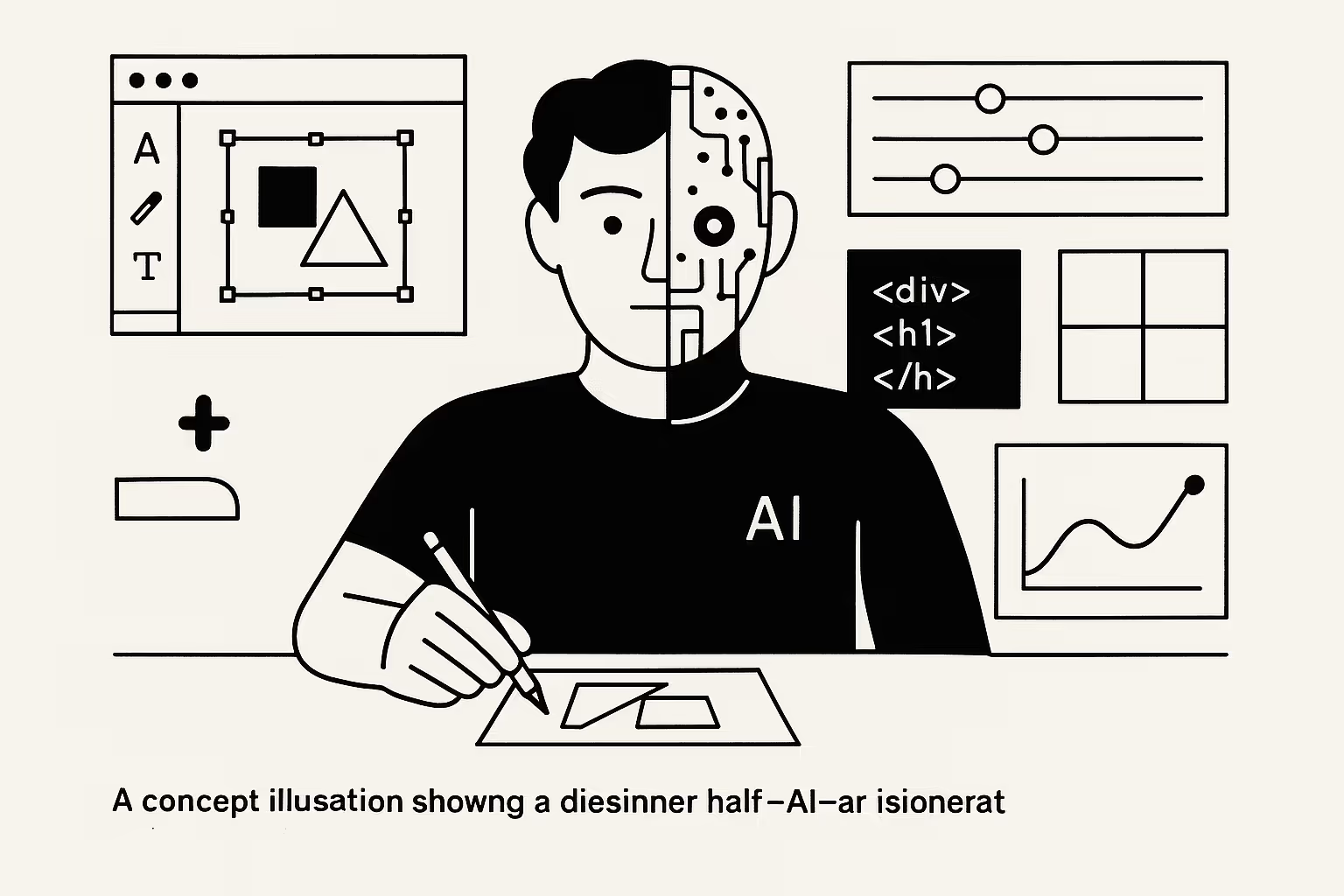
Design, Code & AI: Think ahead – or be replaced
Trigger point: Claude Code & the rise of ‘vibe coding’
With the release of Claude Opus 4.5, a new term started circulating: vibe coding. One prompt is all it takes to generate structured code, interface ideas, UX suggestions – even full product logic. And it works. Developers are already shipping projects this way. The role is shifting: from classic coder to architect + prompt writer + systems reviewer.
This also means: Designers are no longer the only ones thinking about UX or interface logic. The AI is getting into our lane – and it’s getting good at it.
“Designers will benefit from AI” – will they really?
✅ The optimistic case:
- Differentiation through depth: As code and visuals become commoditized, the value shifts to strategy, UX thinking and brand storytelling.
- Tools as accelerators: AI takes over repetitive tasks, freeing up time for creative and strategic work.
- Cross-functional value: Product teams need “builders” who understand users, systems and business logic. Design sits right at that intersection.
❌ The reality check:
- AI also targets design: Claude and others can now generate logos, layouts, landing pages and full visual kits – fast.
- The middle will shrink: Designers who only produce visuals without depth or systems thinking are at risk.
- Tool dependency grows: Relying on AI without understanding how it works leads to one thing: you become replaceable.
What designers really need now
- Strategic fluency
Understanding user flows, research, IA and design systems is no longer optional. It's the baseline. - Prompt & tool literacy
You can’t direct an AI if you don’t understand how it thinks. Tools like Claude, Midjourney, Framer AI and Make are now part of our stack. - No-code mindset
Designers who can build – not just mock up – are closer to product value. Webflow and Make are no longer “bonus skills”. - Collaboration over handoff
Working with devs, PMs, and data teams isn’t a nice-to-have. It’s how real products ship.
Where things could go wrong
- Junior roles will shrink
Production design – social assets, banners, low-budget websites – is already under pressure. - The tempo trap
More AI = more expectations. If you can generate 20 designs in seconds, you also need to justify and select them fast. - Homogenization
Everyone using the same AI means aesthetics might flatten. Designers will need to push harder for uniqueness.
Conclusion: Design isn’t dead – but it’s different
Designers who shape systems, guide processes and speak tech will win. Those who only decorate will be replaced.
Design now means:
- Owning the user journey
- Navigating complexity
- Leading with clarity and structure
- Using AI – but not hiding behind it
What we need is not panic. What we need is a new creative posture.
Who We Are
Greg.design is a creative studio that works with a network of creative professionals to provide solutions for Swiss start-ups and SMEs.
We support future-proof rebranding, tackle creative challenges and promote the development of digital products – from strategy to modular style guides.
Sound interesting? Then let's talk!
Latest posts
5 signs your product isn't being seen for what it is

Webflow Consulting Switzerland: When Webflow Makes Sense for SMEs and When It Does Not
Rebranding Consulting Switzerland: When a New Brand Identity Really Makes Sense


